
UltraGroup Healthcare News
News & Inspiration | April 2026
scroll for more
EDcellence Award
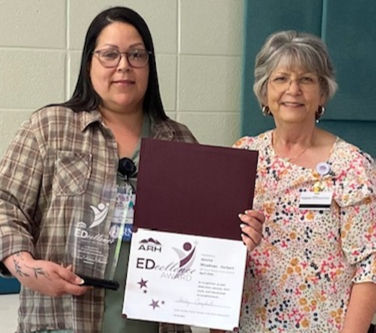
Congrats to Jessica Meadows-Harbert for receiving the EDcellence Award. This prestigious award celebrates the inspiring stories of educational success within our system. Be on the lookout for Jessica's story to be shared throughout the ARH community. Thank you, Saundra Campbell, for presenting Jessica with this wonderful award!
If you know someone you would like to nominate, share their story with us!
70 Years of Caring, Decades of Fun
Massac Memorial celebrated its 70th anniversary with Decade Day festivities, and New Beginnings took on the 2000s with unforgettable flair.

When Seconds Matter
Alarm Testing in Senior Behavioral Health IOPs: A Critical Patient Safety Practice
In Critical Access Hospitals (CAHs), senior behavioral health Intensive Outpatient Programs (IOPs) serve a uniquely vulnerable population—patients who may be at increased risk for falls, medical emergencies, cognitive impairment, or sudden changes in condition. While much attention is rightly given to clinical programming and therapeutic outcomes, one often overlooked—but critically important—component of patient safety is the routine testing of patient care alarm systems.
The Role of Alarm Systems in Risk Prevention
Patient care alarms are not simply equipment—they are an essential safeguard in maintaining a safe treatment environment. In senior behavioral health settings, these systems may include:
Emergency call buttons
Fall alert systems
Door or wander management alarms
Code alert or staff notification systems
Failure of any of these systems can delay response times in urgent situations, increasing the risk of harm. Regular alarm testing ensures that:
Staff are immediately alerted in emergencies
Equipment is functioning as intended
Communication pathways are reliable
Patients remain in a protected environment
Routine checks are a proactive risk prevention strategy—not just a reactive measure after an incident occurs.
Regulatory and Accreditation Expectations
From a compliance perspective, maintaining functional alarm systems aligns with broader Environment of Care (EOC) and Life Safety standards required by CMS and accrediting organizations. While specific language may vary, surveyors consistently expect:
Evidence that safety systems are maintained and operational
Routine inspection and testing of equipment impacting patient safety
Documentation demonstrating oversight and accountability
In behavioral health IOPs operating under hospital licensure, these expectations extend to outpatient areas, even if they are not inpatient units. Failure to routinely test and document alarm functionality can result in:
Survey deficiencies
Increased scrutiny during audits
Potential liability exposure
Consistent testing demonstrates a culture of safety and reinforces that patient protection extends beyond direct clinical care.
Best Practices for Conducting Alarm Checks
To ensure effectiveness and consistency, facilities should implement a standardized process for alarm testing. Key elements include:
1. Defined Testing Frequency
Establish a routine schedule (e.g., daily, weekly, or per shift depending on system type and risk level). High-risk systems, such as emergency call buttons, should be tested more frequently.
2. Clear Assignment of Responsibility
Designate specific staff roles responsible for conducting checks (e.g., nursing staff, techs, or facilities personnel). Avoid ambiguity—accountability is critical.
3. Functional Testing (Not Just Visual Checks)
Testing should involve activating the alarm to confirm:
Signal transmission
Staff notification (audible/visual alerts)
Proper reset functionality
Simply verifying that a device is “present” or appears intact is not sufficient.
4. Immediate Response Verification
Ensure that staff respond appropriately during testing, reinforcing real-time readiness and familiarity with protocols.
Documentation: If It’s Not Documented, It Didn’t Happen
Documentation is just as important as the test itself. A well-designed log should include:
Date and time of the test
Specific alarm/device tested
Name and role of the individual performing the check
Confirmation of proper function (or description of issue)
Actions taken if deficiencies are identified
Facilities should also:
Maintain logs in a centralized and easily retrievable location
Review documentation regularly for trends or recurring issues
Escalate unresolved problems promptly through maintenance or leadership channels
Electronic tracking systems can further enhance reliability, but even paper logs are acceptable if consistently completed and monitored.
Building a Culture of Safety
Ultimately, routine alarm testing is not just a regulatory checkbox—it reflects a commitment to patient-centered care. In senior behavioral health IOPs, where patients may not always be able to advocate for themselves in emergencies, reliable safety systems are essential.
By implementing consistent testing practices, maintaining thorough documentation, and reinforcing accountability, CAHs can:
Reduce preventable risks
Strengthen compliance readiness
Improve overall patient and staff safety
Small, routine actions—like testing an alarm—can make a significant difference when it matters most.


